
GOT A UI/UX
DESIGN PROJECT?
Custom Android App Development Company: Top 10 Global Leaders of 2026
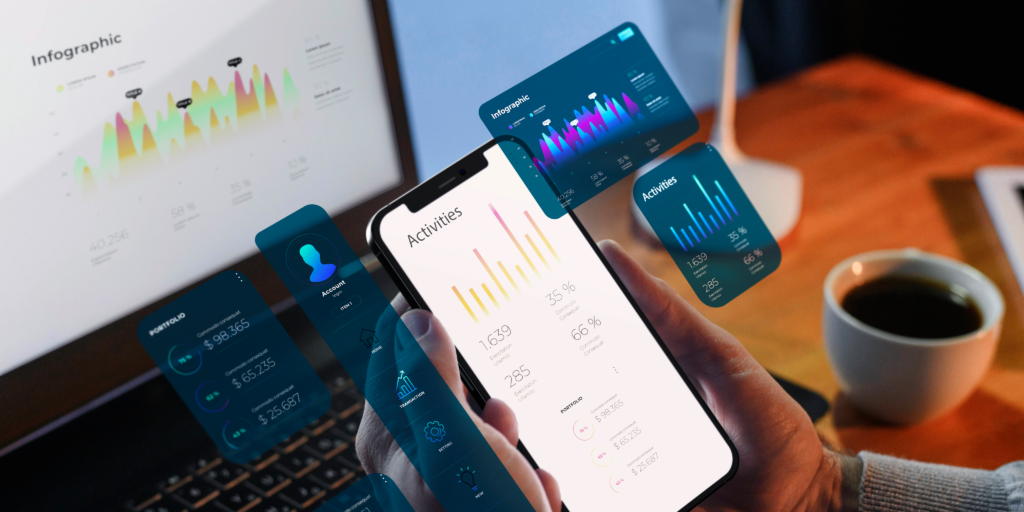
The difference between a mobile app that scales globally and one that quietly disappears often comes down to who builds it. Many businesses invest heavily in launching Android apps, only to struggle later with poor performance, fragmented device compatibility, weak UX, and limited scalability. This is where choosing the right custom Android app development company becomes a critical product decision rather than just a technical one.
The stakes are rising quickly. The global mobile application market is projected to grow from USD 330.02 billion in 2026 to USD 1,017.18 billion by 2034, expanding at a CAGR of 15.1%. As competition intensifies, businesses are under pressure to deliver faster, build more reliable Android products, and create experiences that users keep coming back to. Companies that partner with experienced development teams and best user experience companies often gain a significant advantage in product quality, scalability, and long-term mobile growth.
This guide is designed for founders, product leaders, CTOs, and businesses planning to build or scale Android applications. It highlights the top custom Android app development company leaders in 2026, explains how these companies were evaluated, and explores the services, technologies, and decision factors businesses should consider when choosing the right development partner.
TL;DR (Quick Summary)
A custom Android app development company helps businesses design, build, and scale Android applications tailored to specific operational or customer needs. These companies combine product strategy, UX design, engineering, and testing to deliver high-performance Android apps that integrate with enterprise systems and modern cloud infrastructure.
Key Takeaways
- The global mobile app market is projected to exceed $1 trillion by 2034, making Android app development a critical investment for digital businesses.
- Hiring a custom Android app development company ensures applications are built with scalable architecture, strong UX design, and enterprise-ready integrations.
- Successful Android products combine product strategy, UX design, development, QA testing, and post-launch maintenance.
- Modern Android apps increasingly integrate AI, IoT, real-time analytics, and cloud-native infrastructure to deliver smarter digital experiences.
- Businesses should evaluate development partners based on technical architecture, design capability, industry experience, and long-term support.
- Typical Android app costs range from $15,000 to $500,000+ (₹12,00,000 to ₹4,15,00,000+), depending on product complexity and infrastructure requirements.
- Among the top firms evaluated, Yellowchalk emerges as a strong custom Android app development company for organizations seeking design-led digital products with scalable engineering foundations.
Quick Snapshot of Top Companies
| Company | Headquarters | Best Fit For |
| Yellowchalk | Bangalore, Karnataka, India (Singapore presence) | Businesses seeking customized digital products with strong product design and development synergy |
| Appinventiv | Noida, India | Enterprises and startups building large-scale digital products and AI platforms |
| ScienceSoft | McKinney, Texas, USA | Highly regulated industries need secure enterprise applications |
| N-iX | Valletta, Malta | Enterprises seeking large, distributed engineering teams |
| Euvic | Jersey City, New Jersey, USA | Businesses needing scalable engineering teams with hybrid delivery |
| Hyperlink InfoSystem | Ahmedabad, India | Companies seeking cost-efficient mobile development at scale |
| Simform | Orlando, Florida, USA | Tech-enabled enterprises building scalable digital platforms |
| Netguru | Poznań, Poland | Brands building digital commerce ecosystems and marketplaces |
| Zco Corporation | Nashua, New Hampshire, USA | Enterprises needing long-term software engineering partners |
| Fingent | New York, New York, USA | Organizations undergoing digital transformation with AI integration |
Why You Should Hire a Trusted Custom Android App Development Company in 2026
Most Android apps don’t fail because the idea was wrong. They fail because the product foundation was never built for scale. Businesses today operate in an environment where mobile applications must work seamlessly across thousands of Android devices while supporting growing user bases and evolving features. Partnering with a custom Android app development company helps organizations build applications that are engineered for performance, reliability, and long-term growth rather than short-term launches.
A trusted development partner does far more than write code. They help businesses transform product ideas into stable mobile platforms that can evolve with changing user expectations, new technologies, and expanding markets. When Android development is approached as a strategic product investment rather than a one-time build, several practical advantages emerge.
Those advantages typically appear across multiple areas of the product lifecycle:
- Product thinking, not just coding: Strong Android partners approach development with a product mindset. They examine the business problem, user behavior, and market environment before designing the application architecture. This ensures the mobile product delivers real business outcomes rather than becoming a disconnected feature.
- Scalability from day one: Many mobile applications struggle once user growth begins because their architecture cannot support increased demand. Experienced Android teams design systems that can scale smoothly as features, traffic, and integrations expand.
- Expertise in the Android ecosystem: Android runs across an enormous range of devices, operating system versions, and hardware capabilities. Specialized development teams understand how to optimize applications for this fragmented ecosystem while maintaining consistent performance.
- Faster development cycles: Mature development teams rely on proven frameworks, internal playbooks, and collaborative workflows refined across multiple projects. This enables faster product delivery without compromising engineering quality.
- User experience that drives adoption: Mobile success depends on usability as much as engineering. Companies that collaborate with strong development teams and best user experience companies create applications that are intuitive, engaging, and easier for users to adopt.
- Reduced technical risk: Experienced Android developers identify potential architecture or integration issues early in the process. Detecting these problems early prevents costly rework and protects long-term product stability.
- Continuous product improvement: Mobile applications evolve constantly through updates, OS changes, and user feedback. Trusted partners support this ongoing evolution through updates, feature expansions, and performance optimization.
These advantages explain why businesses increasingly rely on dedicated Android development partners instead of trying to manage complex mobile ecosystems entirely in-house. To understand how these partners contribute to the Android product lifecycle, it is important to look at the services they typically provide.
Core Custom Android App Development Services Offered by a Company
Android development is not a single service. It is a structured product lifecycle that transforms an idea into a scalable mobile platform. A development partner provides custom Android app development services that support businesses across every stage of this lifecycle, from early product discovery to continuous post-launch improvement.
In practice, development teams contribute across multiple phases of a mobile product’s evolution. Each phase plays a distinct role in ensuring the final Android application is stable, scalable, and aligned with business goals.
The lifecycle typically includes several key areas of expertise:
- Product discovery and strategy: Every successful mobile product begins with clarity. Development teams analyze business objectives, user needs, and competitive landscapes to define product requirements, technical architecture, and development roadmaps.
- UX and UI design: Design teams translate product strategy into usable interfaces. Through wireframes, prototypes, and interaction design, they ensure the application feels intuitive while aligning with Android design patterns.
- Android engineering and architecture: Developers build the core application infrastructure using technologies such as Kotlin, Java, and the Android SDK. A well-structured custom Android app development service focuses on performance, scalability, and long-term maintainability.
- Backend integration and APIs: Modern mobile apps rarely operate independently. Development teams integrate APIs, payment gateways, analytics platforms, and enterprise systems so the application can interact seamlessly with other services.
- Quality assurance and testing: Android’s fragmented device ecosystem requires extensive testing. QA teams evaluate performance, compatibility, security, and stability across multiple devices and operating system versions.
- Launch and deployment support: Successful product launches require preparation beyond development. Teams assist with Play Store publishing, performance optimization, and monitoring early user interactions after release.
- Maintenance and continuous optimization: Android applications require constant updates to remain compatible with new OS releases, security standards, and user expectations. Ongoing support ensures the product continues evolving rather than becoming outdated.
Together, these services form the foundation of Android product development. Within this broader lifecycle, development teams often specialize in different categories of Android applications depending on industry needs and product complexity.
Types of Custom Android App Development Solutions
Android applications are rarely built the same way twice. Different industries, product strategies, and user behaviors require different development approaches. Businesses investing in custom Android app development typically work with partners capable of building solutions tailored to these varied requirements.
Several common Android application models appear across industries:
- Enterprise Android applications: Organizations build enterprise apps to improve internal operations, employee productivity, and data access. These apps often integrate with enterprise systems such as CRM platforms, analytics dashboards, and internal databases.
- Consumer mobile applications: Consumer-focused apps prioritize usability, engagement, and large-scale performance. Ecommerce platforms, digital banking apps, and social platforms fall into this category, where user experience and reliability directly impact adoption.
- Platform-driven Android products: Some mobile apps function as part of broader digital ecosystems such as SaaS platforms, service marketplaces, or multi-user platforms. These applications support different user roles while integrating deeply with backend systems.
- On-demand service applications: Industries such as logistics, transportation, healthcare, and delivery services rely on real-time Android platforms connecting users to services instantly.
- IoT-enabled Android applications: As connected devices proliferate, many Android apps interact with smart devices, wearables, and sensors to deliver real-time data and automate tasks.
Understanding these application categories helps businesses identify the development model best suited to their goals. Once the type of Android solution is clear, the next step is understanding the features and capabilities modern Android products must include to compete successfully.
Custom Android Mobile App Design and Development Features Businesses Should Expect
Modern Android apps are expected to do far more than perform a single task. Users today expect applications to be responsive, personalized, secure, and seamlessly integrated with other services and devices. Businesses investing in custom Android mobile app design and development, therefore, need to think beyond basic functionality and focus on features that improve usability, engagement, and long-term product scalability.
A well-designed Android application combines intuitive user interactions, real-time connectivity, and robust security. When these capabilities are implemented correctly, the mobile product becomes easier to adopt, more engaging for users, and more reliable for businesses operating at scale.
The most successful Android applications typically include a broad set of functional and technical capabilities such as:
- Camera and video functionality: Many modern applications rely on camera integration for scanning documents, uploading content, video communication, and enabling AR-powered features within the app.
- WiFi and connectivity management: Stable connectivity ensures apps function reliably across networks while maintaining synchronization with backend systems and cloud services.
- Location and geolocation services: GPS-enabled features allow applications to deliver location-based services such as navigation, delivery tracking, ride-hailing, or location-based notifications.
- In-app purchases and subscription management: Commerce-driven apps rely on built-in purchasing capabilities to support subscriptions, premium features, and digital transactions directly within the application.
- Digital wallet and payment integrations: Integration with services like Google Pay and other digital wallets enables secure mobile payments, improving convenience for users and businesses.
- User personalization and profile systems: Custom avatars, user profiles, and preference settings allow applications to tailor experiences based on individual behavior and interests.
- Near-field communication (NFC) capabilities: NFC enables contactless transactions, device pairing, ticket scanning, and secure authentication for industries such as retail, banking, and transportation.
- Optical character recognition (OCR): OCR allows Android apps to scan and convert physical documents, receipts, or text images into digital data that can be processed or stored within the app.
- Augmented reality experiences: AR features overlay digital information onto the real world through smartphone cameras, supporting use cases such as virtual product previews or interactive learning.
- Bluetooth and beacon connectivity: Bluetooth integration allows applications to interact with nearby devices such as smart locks, sensors, wearables, and location beacons.
- Automatic and manual OS update compatibility: Android applications must remain compatible with evolving Android operating systems while supporting both automatic and manual update mechanisms.
- Update notifications and system alerts: Push notifications and update alerts keep users informed about new features, messages, or changes within the application.
- Touch, gesture, and motion interactions: Android apps rely on intuitive interactions such as swipes, taps, long presses, and gesture navigation to create smooth user experiences.
- Focus-based navigation and scrolling systems: Accessibility-focused navigation allows applications to remain usable across devices, screen sizes, and interaction modes.
- Privacy controls and permission management: Built-in privacy settings allow users to manage data access, location permissions, and account-level security preferences.
- Offline functionality and synchronization: Some applications allow users to perform tasks offline and synchronize data automatically once connectivity is restored.
When these capabilities are combined thoughtfully, they create Android products that feel responsive, intuitive, and capable of supporting complex business use cases. Many of these features are made possible by a growing ecosystem of advanced technologies that continue to expand what mobile applications can do.
Advanced Technologies Used in Custom Android Apps Development
Android applications are becoming smarter, more connected, and increasingly data-driven. Modern development teams rely on a range of emerging technologies to make mobile products faster, more intelligent, and capable of supporting complex user interactions. These technologies play a critical role in customized Android mobile app design and development, allowing businesses to create mobile experiences that adapt to users, connect with devices, and process large volumes of data in real time.
Instead of simply delivering static applications, these technologies enable Android platforms that continuously learn, evolve, and integrate with broader digital ecosystems.
- Artificial intelligence integration: AI enables Android apps to analyze user behavior and automate decision-making processes. Applications can recommend products, automate workflows, detect patterns, or personalize content based on user activity.
- Machine learning capabilities: Machine learning models enable apps to improve through continuous data analysis. This technology powers recommendation engines, predictive analytics, fraud detection systems, and intelligent search capabilities.
- Big data analytics: Mobile applications increasingly generate large volumes of user interaction data. Big data tools help analyze this information to identify behavioral patterns, optimize user journeys, and improve engagement.
- Internet of Things (IoT) connectivity: IoT integration enables Android applications to communicate with devices such as smart home systems, wearables, sensors, and industrial equipment.
- Cloud-native mobile architecture: Cloud platforms enable Android apps to store data securely, synchronize user information across devices, and scale infrastructure dynamically as user demand grows.
- Augmented reality and virtual reality: AR and VR technologies enable immersive experiences in industries such as retail, education, gaming, and training by blending digital environments with physical surroundings.
- Natural language processing (NLP): NLP allows applications to understand and respond to human language. This enables voice assistants, conversational chatbots, automated customer support, and intelligent search capabilities.
- Advanced mobile security technologies: Security frameworks such as biometric authentication, encryption protocols, secure payment gateways, and multi-factor authentication protect sensitive user data and ensure regulatory compliance.
By combining these technologies with strong product design and engineering practices, Android applications become more intelligent, scalable, and capable of supporting complex digital ecosystems. Understanding how these technologies shape modern mobile products also helps businesses evaluate which development approach best fits their goals.
Web App vs Native Android App Development
Choosing the right development approach can determine whether a mobile product succeeds or struggles to scale. Businesses often debate between web applications and native Android apps when building mobile experiences. While both approaches can deliver value, the decision ultimately depends on performance requirements, user experience expectations, and long-term product strategy. Companies investing in custom Android app development often evaluate these trade-offs carefully before deciding which approach best supports their product goals.
At a high level, web apps run in browsers and rely on internet connectivity, while native Android applications are built for the Android operating system and installed directly on devices. The practical differences become clearer when comparing their capabilities across key dimensions.
| Factor | Web Applications | Native Android Applications |
| Installation | Accessed through mobile browsers without installation | Installed directly from the Google Play Store |
| Performance | Limited by browser rendering and internet speed | Optimized for device hardware and Android OS |
| Offline functionality | Typically limited or unavailable | Can support offline operations and local data storage |
| Device integration | Restricted access to hardware capabilities | Full access to device features such as camera, sensors, and NFC |
| User experience | Browser-based interfaces may feel less responsive | Native UI provides smoother interactions and gestures |
| Security controls | Browser security layers with limited customization | Advanced security through Android frameworks and encryption |
| Update management | Updates occur server-side and instantly reflect in browsers | Updates delivered through the Play Store or in-app updates |
| Scalability and complexity | Suitable for simpler applications or content portals | Supports complex platforms such as fintech, ecommerce, and enterprise apps |
Understanding these differences helps clarify why many businesses eventually choose native development for products that require reliability, performance, and deeper device integration.
Several practical insights often influence this decision in real-world product development:
- Native apps deliver superior performance: Applications built directly for Android can leverage device processors, memory, and graphics capabilities more efficiently. This results in faster load times, smoother animations, and better responsiveness.
- Hardware integrations unlock richer functionality: Native apps can interact directly with cameras, biometric authentication, NFC chips, Bluetooth devices, and motion sensors. These capabilities enable features that web apps struggle to support consistently.
- Offline functionality improves usability: Native Android apps can store data locally and synchronize when connectivity returns. This is critical for industries such as logistics, healthcare, and field operations, where constant connectivity cannot be guaranteed.
- User experience aligns with Android design standards: Native interfaces follow Android’s design patterns and gesture interactions, creating a more intuitive experience for users already familiar with the platform.
- Security controls are stronger at the platform level: Native development allows developers to implement advanced authentication methods, encryption standards, and secure storage mechanisms that go beyond typical browser security layers.
- Complex mobile ecosystems require native architecture: Products involving payments, IoT devices, large datasets, or advanced analytics benefit from the deeper control native development provides. Many organizations, therefore, adopt custom Android app development when building long-term digital platforms rather than simple mobile portals.
Once businesses determine the right development approach, the next challenge becomes identifying which development partner can actually deliver the required expertise and execution quality. That requires a structured evaluation framework.
How We Evaluated These Top Custom Android App Development Companies
The global Android development ecosystem includes thousands of agencies, studios, and technology partners. Not all of them deliver the same level of expertise, product thinking, or engineering discipline. To identify the most capable teams, we evaluated each custom Android app development company using criteria that reflect real-world product success rather than marketing claims.
Our evaluation focused on capabilities that influence the long-term quality, reliability, and scalability of Android applications. The following factors helped determine which companies truly stand out in the Android development landscape.
- Depth of Android engineering expertise: Top companies demonstrate strong experience with Android frameworks, Kotlin, and Java development, performance optimization, and scalable mobile architecture.
- Product design and user experience capabilities: Successful mobile apps combine engineering with thoughtful design. Companies that deliver strong UX research, interaction design, and usability testing often build products that achieve higher adoption and retention.
- Industry specialization and domain expertise: Development partners with experience in industries such as fintech, healthcare, ecommerce, and SaaS understand regulatory requirements, security expectations, and user behaviors specific to those markets.
- Technical architecture and scalability: We assessed how companies design mobile systems capable of handling growing user bases, integrating with enterprise platforms, and evolving through continuous product updates.
- Quality assurance and device compatibility testing: Android’s fragmented device ecosystem requires rigorous testing across multiple hardware configurations and operating system versions.
- Service breadth across the product lifecycle: Leading teams offer custom Android app development services that extend beyond engineering, including discovery workshops, design systems, deployment support, and long-term maintenance.
- Client success and real-world product outcomes: We considered case studies, long-term client relationships, and measurable product improvements such as increased engagement, conversion rates, or operational efficiency.
- Team experience and delivery track record: Companies with experienced engineering teams and mature delivery processes tend to execute complex mobile projects more reliably than smaller or less specialized vendors.
Using these evaluation criteria allowed us to identify companies that consistently demonstrate technical expertise, product thinking, and strong delivery capabilities. With the evaluation framework established, we can now examine the development studios that stand out globally.
Top 10 Custom Android App Development Companies in 2026
The Android development ecosystem has expanded rapidly as businesses increasingly rely on mobile-first platforms to drive growth, customer engagement, and operational efficiency. Across industries such as fintech, healthcare, ecommerce, logistics, and SaaS, organizations are investing heavily in Android applications that deliver performance, scalability, and seamless user experiences.
However, building successful Android products requires more than engineering capability. The companies listed below stand out for combining product thinking, technical depth, design expertise, and large-scale delivery experience. These firms consistently help businesses build Android platforms that are reliable, scalable, and adaptable to evolving market demands.
1. Yellowchalk

Yellowchalk is a boutique UI/UX design studio headquartered in Bangalore with an additional presence in Singapore. The company works with startups, enterprises, and global organizations to design and build digital products that prioritize usability, product clarity, and user experience. As a custom Android app development company, Yellowchalk approaches Android product development through a design-first methodology that blends research, strategy, and engineering.
The studio emphasizes discovery-driven product development, beginning projects with user research, design audits, and competitive analysis before moving into interface design and development. This process helps organizations create mobile products that are both technically robust and highly intuitive for users.
Key Highlights
- Strong expertise in UX research, user journey mapping, and design validation
- Product design capabilities spanning UI, UX, branding, and interaction design
- Experience working with multinational companies and high-growth startups
- Focus on collaborative product discovery and strategy workshops
- Ability to combine design systems with scalable mobile development
| Pros | Cons |
| Strong UX research and design-driven development approach | Smaller team size compared to global IT service vendors |
| Collaborative discovery process with product stakeholders | |
| Experience across fintech, SaaS, and digital platforms |
2. Appinventiv

Appinventiv is a large-scale digital product engineering company known for delivering enterprise mobile applications and digital transformation solutions. The company works with startups, global enterprises, and technology-driven organizations to develop scalable Android platforms that integrate with complex business systems.
With a large engineering workforce and multiple global delivery centers, Appinventiv supports organizations across the entire product lifecycle, from product strategy and architecture to development, deployment, and ongoing platform evolution. The firm also integrates advanced technologies such as AI, blockchain, and cloud infrastructure into mobile platforms.
Key Highlights
- Large global engineering workforce capable of supporting enterprise-scale projects
- Strong capabilities across AI, blockchain, data analytics, and cloud technologies
- Experience delivering mobile platforms for startups, enterprises, and global brands
- Ability to build Android applications that integrate with complex enterprise systems
- Focus on digital product engineering and long-term platform scalability
| Pros | Cons |
| Strong engineering capacity for large digital transformation projects | Design-led product thinking may depend on client-side product leadership |
| Deep expertise in emerging technologies and enterprise integrations | |
| Experience working with global brands and enterprises |
3. ScienceSoft

ScienceSoft is a long-established IT consulting and software development company serving enterprises across multiple industries. The firm delivers enterprise-grade software solutions and has extensive experience developing mobile applications that integrate with complex business systems.
The company works with organizations in regulated sectors such as healthcare and financial services, designing mobile applications that meet strict compliance requirements and operational reliability standards. ScienceSoft’s structured engineering processes and industry expertise make it a strong partner for organizations building large-scale digital platforms.
Key Highlights
- Extensive experience delivering enterprise software and mobile applications
- Strong presence in regulated industries such as healthcare and financial services
- Mature engineering processes supported by architecture and project management teams
- Ability to integrate Android applications with enterprise IT infrastructure
- Long track record of enterprise software implementation
| Pros | Cons |
| Deep expertise in regulated industries and enterprise systems | Higher pricing compared to offshore development providers |
| Mature engineering governance and architecture capabilities | |
| Strong experience with enterprise system integrations |
4. N-iX
N-iX is a global software engineering and technology consulting firm known for delivering complex digital platforms for enterprises and technology companies. The company works with organizations across industries such as finance, manufacturing, supply chain, and retail to build scalable digital products, including mobile applications and cloud-native systems.
With a large international workforce and delivery centers across Europe, the Americas, and Asia, N-iX focuses heavily on engineering depth and long-term technology partnerships. Its expertise spans advanced domains such as AI, machine learning, data engineering, and embedded systems, allowing clients to develop digital platforms that integrate modern technologies with existing enterprise infrastructure.
Key Highlights
- Strong expertise in cloud-native platforms, AI solutions, and enterprise software engineering
- Global delivery presence across Europe, Latin America, India, and North America
- Partnerships with major technology providers such as AWS, Google Cloud, Microsoft, SAP, and Snowflake
- Experience delivering complex platforms for large enterprises and ISVs
- Deep capabilities across AI, IoT, data analytics, and intelligent platform development
| Pros | Cons |
| Strong engineering depth in cloud, AI, and enterprise systems | Android development is not the firm’s primary specialization |
| Large global delivery infrastructure and technology partnerships | |
| Proven track record with global enterprise organizations |
5. Euvic
Euvic is a technology consulting and software engineering firm that focuses on helping organizations modernize their digital infrastructure and build scalable software systems. The company combines U.S.-based business leadership with engineering teams in Europe, delivering technology solutions to improve operational efficiency and support digital transformation initiatives.
A defining characteristic of Euvic’s approach is its delivery model, which pairs business strategy with engineering execution. The firm works across solution architecture, cloud development, and mobile application engineering, helping organizations develop technology systems that align with long-term business objectives rather than short-term implementation goals.
Key Highlights
- Delivery model combining U.S. leadership with European engineering expertise
- Strong experience in solution architecture, modernization, and IT integration
- Ability to provide managed development teams tailored to project needs
- Large engineering workforce with expertise across cloud and enterprise platforms
- Focus on aligning software development with business performance outcomes
| Pros | Cons |
| Strong architecture and consulting expertise | Android mobile development is not the company’s core focus |
| Large engineering workforce with specialized skills | |
| Hybrid delivery model enabling cost-efficient development |
6. Hyperlink InfoSystem
Hyperlink InfoSystem is a global mobile and web development company known for delivering large volumes of mobile applications across multiple industries. The firm works with startups, enterprises, and global brands to develop digital products using emerging technologies such as AI, blockchain, IoT, and AR/VR.
The company focuses heavily on mobile application engineering and has delivered thousands of applications across Android, iOS, and cross-platform environments. Its development model emphasizes scalability, cost efficiency, and the use of modern technologies to help businesses launch mobile products quickly while maintaining reliable performance.
Key Highlights
- Extensive mobile app delivery portfolio spanning thousands of projects
- Expertise across Android, iOS, web development, and emerging technologies
- Large development team capable of handling complex engineering requirements
- Global client portfolio, including well-known international brands
- Experience integrating technologies such as AI, IoT, blockchain, and AR/VR
| Pros | Cons |
| Large volume of mobile app development experience | Product strategy and UX depth may vary across projects |
| Strong capability across multiple emerging technologies | |
| Ability to support high-volume development engagements |
7. Simform

Simform is a digital engineering company focused on helping organizations build scalable software platforms through cloud, data, and experience engineering. The company works with enterprises and technology companies to design and deliver digital products that integrate modern infrastructure, analytics capabilities, and user-centric design.
Its co-engineering delivery model allows Simform teams to collaborate closely with internal product and engineering groups within client organizations. By combining cloud architecture, data engineering, and application development capabilities, the firm helps businesses develop digital platforms that can evolve alongside rapidly changing market and technology environments.
Key Highlights
- Strong engineering expertise in cloud infrastructure, data platforms, and AI-driven applications
- Co-engineering model that integrates closely with internal client engineering teams
- Capabilities across digital product engineering, DevOps, and modern data platforms
- Experience delivering technology platforms for high-growth enterprises and ISVs
- Focus on building scalable digital systems designed for long-term evolution
| Pros | Cons |
| Strong engineering capabilities across cloud, data, and AI platforms | Mobile UX design is not positioned as a primary specialization |
| Collaborative delivery model that integrates well with internal teams | |
| Experience building scalable digital systems |
8. Netguru

Netguru is a global digital consulting and product development company that helps organizations design and build modern digital platforms. The company is particularly well known for working with businesses in ecommerce, marketplaces, and digital commerce ecosystems, delivering mobile and web products that support scalable online platforms.
As a certified B Corporation, Netguru places strong emphasis on responsible technology development and long-term digital transformation. Its teams combine product design, engineering, and consulting expertise to help companies modernize digital infrastructure while building user-centric applications that support business growth.
Key Highlights
- Strong expertise in digital commerce platforms and marketplace ecosystems
- Combination of product design, consulting, and engineering services
- Experience delivering digital platforms across the US, European, and Middle Eastern markets
- Focus on scalable omnichannel digital products and customer experiences
- Capabilities spanning mobile, web, and cross-platform development
| Pros | Cons |
| Strong expertise in digital commerce ecosystems | Projects may lean heavily toward e-commerce-focused use cases |
| Balanced capabilities across design, consulting, and engineering | |
| Experience supporting global marketplace platforms |
9. Zco Corporation

Zco Corporation is a long-established software development company known for delivering custom mobile applications, enterprise software, and emerging technology solutions. The firm works with startups, mid-sized companies, and enterprise organizations to design and build software products that address complex business challenges.
With decades of experience in software development, Zco focuses on building reliable and scalable applications across multiple platforms. Its engineering teams work across mobile development, enterprise systems, and technologies such as augmented reality and virtual reality to help organizations build interactive digital experiences.
Key Highlights
- Long-standing experience in mobile application and enterprise software development
- Expertise across native mobile development, hybrid platforms, and emerging technologies
- Experience supporting startups, mid-sized companies, and enterprise clients
- Capabilities in AR, VR, and interactive application development
- Full-cycle services including strategy, design, development, and deployment
| Pros | Cons |
| Long track record delivering custom software and mobile apps | Smaller engineering scale compared to large global IT vendors |
| Strong expertise across mobile platforms and emerging technologies | |
| Experience supporting both startups and enterprise clients |
10. Fingent

Fingent is a global software development and technology consulting company that helps organizations build enterprise-grade digital solutions. The company works with businesses across industries, including finance, healthcare, logistics, and real estate, to develop scalable software platforms and digital products.
The firm combines enterprise consulting, custom software development, and emerging technology capabilities to help organizations modernize operations and build new digital platforms. Its teams focus on delivering technology solutions that align closely with business objectives while supporting long-term innovation and operational efficiency.
Key Highlights
- Extensive experience delivering enterprise software and digital transformation projects
- Capabilities across AI, IoT, enterprise software, and mobile development
- Experience supporting global organizations across multiple industries
- Focus on building scalable software platforms aligned with business strategy
- Global delivery model serving clients across multiple regions
| Pros | Cons |
| Strong enterprise consulting and digital transformation expertise | The engagement model may be heavier for smaller mobile-first projects |
| Experience delivering complex enterprise platforms | |
| Capabilities across multiple emerging technology domains |
While each company above brings distinct strengths, from design-led product studios to enterprise engineering firms, their capabilities, team structures, delivery models, and specialization areas vary significantly.
To make that evaluation clearer, the next section compares these companies side by side across critical factors, including expertise, positioning, service focus, and ideal project fit.
Comparing the Top 10 Custom Android App Development Companies
Choosing a development partner is rarely about technical capability alone. Businesses must evaluate the delivery scale, engineering expertise, design maturity, enterprise readiness, and the partner’s long-term reliability. That’s why comparing providers side-by-side becomes essential when evaluating firms involved in custom Android apps development, especially for organizations planning mission-critical digital products.
A structured comparison helps decision-makers quickly understand which companies excel in design, which specialize in enterprise platforms, and which are best suited for startups or complex digital transformation projects.
| Company | Founding Year | Hourly Rate | App Development Services | Notable Clients | Ratings | USP |
| Yellowchalk | 2015 | $25 – $49 / hr | • Android App Development • Mobile App Design • Product Strategy & Research • UX/UI Design • Enterprise Mobility • AI & ML Development | • Intel • EY • Changi Airport • Titan • Axis Capital | 5.0 (Clutch) | Boutique studio combining design, strategy, and development |
| Appinventiv | 2015 | $25 – $49 / hr | • Android App Development • AI & ML Solutions • Cloud & DevOps • Blockchain Development • Enterprise Mobility | • Google • KFC • KPMG | 4.6 (Clutch) | Large-scale digital product engineering and transformation |
| ScienceSoft | 1989 | $50 – $99 / hr | • Native Mobile Development • Cross-platform Apps • Mobile App Consulting • QA & Testing • Mobile App Integration | • IBM • Ford • eBay • Walmart • NASA | 4.8 (Clutch) | Enterprise-grade software engineering and compliance-heavy solutions |
| N-iX | 2002 | $50 – $99 / hr | • Custom Software Development • Cloud Solutions • AI & Machine Learning • IoT Development • Mobile App Engineering | • Bosch • Siemens • eBay • Questrade | 4.8 (Clutch) | Large-scale engineering teams with strong enterprise partnerships |
| Euvic | 2005 | $50 – $99 / hr | • Mobile App Development • Product Design • UX/UI Design • Cloud Development • AI & Machine Learning | • IKEA • Deloitte • Sabre • First Data | 4.8 (Clutch) | Smart Delivery model combining US leadership with Polish engineering |
| Hyperlink InfoSystem | 2011 | $25 – $49 / hr | • Android App Development • Blockchain Development • AR/VR Development • AI & IoT Application • Web & CMS Development | • BBC • Disney • DHL • CEAT | 4.8 (Clutch) | High-volume global app development with strong technology adoption |
| Simform | 2010 | $25 – $49 / hr | • Digital Product Engineering • Cloud Engineering • AI/ML Development • Enterprise Mobility • App Modernization | • Bank of America • Tryg • Mitsubishi Electric | 4.8 (Clutch) | Co-engineering model focused on scalable digital platforms |
| Netguru | 2008 | $50 – $99 / hr | • Mobile App Development • Product Design • UX/UI Design • AI Engineering • Digital Commerce Platforms | • IKEA • Volkswagen • OLX • Careem | 4.3 (G2) | Design-led engineering teams focused on digital commerce |
| Zco Corporation | 1989 | $25 – $49 / hr | • Custom Mobile App Development • Enterprise Software Solutions • Hybrid App Development • AR/VR Development | • Volkswagen • Microsoft • Verizon • Liberty Mutual | 4.8 (Clutch) | Long-standing mobile development expertise with enterprise clients |
| Fingent | 2003 | $25 – $49 / hr | • Mobile Application Development • AI & ML Solutions • ERP & Enterprise Systems • AR/VR Applications | • Mastercard • Sony • PwC • NEC | 4.9 (Clutch) | Enterprise digital transformation and AI-driven platforms |
All the companies listed above bring strong engineering and product development capabilities across different domains. However, businesses looking for a design-driven product partner that combines UX strategy, product thinking, and development often find Yellowchalk the most balanced custom Android mobile app design and development company, particularly for building scalable digital products with exceptional user experiences.
How to Choose the Right Custom Android App Development Company
Choosing the right technology partner can determine whether your mobile product succeeds or quietly struggles after launch. The market is full of vendors claiming expertise, but only a few can truly balance product thinking, engineering quality, scalability, and long-term support. Businesses, therefore, need a structured approach when evaluating a custom Android app development company, especially when the application will become a core part of their digital ecosystem.
A careful selection process ensures your partner understands both business objectives and technical architecture, while also delivering reliable development, user experience excellence, and scalable infrastructure.
Key factors to evaluate when selecting a development partner:
- Product thinking and strategic approach: Great development partners go beyond writing code. They help refine product ideas, validate market fit, and guide feature prioritization based on business goals and user behaviour.
- UX and product design capability: User experience directly impacts adoption, retention, and revenue. Companies that combine engineering with strong UX design often build apps that users actually enjoy using.
- Technical architecture and scalability expertise: A well-structured Android architecture ensures the application can scale as your user base grows. Look for teams experienced in modular architecture, microservices, and cloud integration.
- Experience with similar industries or platforms: Industry experience often shortens development timelines by enabling teams to understand compliance requirements, workflows, and user expectations.
- Integration capabilities with enterprise systems: Modern apps rarely operate in isolation. The right partner should handle integrations with APIs, CRMs, ERPs, payment gateways, analytics platforms, and cloud infrastructure.
- Transparent development methodology: Reliable firms follow structured development processes such as Agile or Scrum and provide clear milestones, sprint planning, and progress visibility.
- Quality assurance and device compatibility testing: Android apps must work across thousands of device configurations. Experienced teams implement rigorous testing pipelines to ensure performance and stability.
- Post-launch support and maintenance: Mobile apps require continuous updates, security patches, and compatibility improvements as Android OS versions evolve.
- Security and compliance readiness: Security standards such as data encryption, secure authentication, and compliance frameworks (GDPR, HIPAA, etc.) are critical for enterprise applications.
- Team structure and communication model: Dedicated product managers, designers, engineers, and QA specialists improve delivery speed and project accountability.
These factors together help businesses select a development partner capable of building reliable Android products that support long-term growth.
Questions to Ask before Hiring a Custom Android App Development Service Provider
- What experience do you have building Android applications similar to our product?
- Which technologies and frameworks do you typically use for Android development?
- How do you approach product discovery and feature planning?
- What is your process for UX research and usability testing?
- How do you ensure compatibility across different Android devices and OS versions?
- What security practices do you follow during development?
- How do you structure development sprints and project communication?
- What testing methods do you use before launching an app?
- Can you integrate Android apps with existing enterprise systems or APIs?
- How do you handle post-launch maintenance and support?
- What is your process for scaling applications as user demand grows?
- Can you provide case studies or references from past clients?
Red Flags to Watch for in a Custom Android App Development Company
Selecting the wrong partner can lead to delays, budget overruns, and poor product performance. While many companies promise expertise, several warning signs indicate potential risks during development projects.
- Lack of structured development methodology: If a vendor cannot clearly explain how they manage planning, development, testing, and deployment, the project may suffer from inconsistent delivery and unclear timelines.
- Overemphasis on coding instead of product strategy: Development without product thinking often results in apps that technically function but fail to solve real user problems.
- Weak UX design capability: Many engineering teams underestimate the role of design. However, poor UX can drastically impact adoption and retention in mobile applications.
- No clear testing or quality assurance process: Android fragmentation makes testing essential. Teams without structured QA pipelines often release unstable applications.
- Limited transparency in pricing or timelines: Unclear cost estimates, vague timelines, or hidden charges can lead to project budget escalation later.
- No long-term maintenance or support plans: Reliable partners always offer post-launch services, including bug fixes, OS updates, and performance monitoring.
- Limited understanding of business requirements: If the team focuses only on features rather than business outcomes, the final product may fail to deliver strategic value.
- Outdated technology stack or architecture: Modern Android development requires scalable architecture and cloud-ready infrastructure. Teams using outdated approaches may struggle with performance or scalability.
- Poor communication and collaboration practices: Strong collaboration between stakeholders, designers, and engineers is critical for successful customized Android mobile app design and development projects.
These warning signs help businesses avoid costly mistakes and identify partners capable of delivering long-term product success.
Cost for a Customized Android Mobile App Design and Development
Android application costs vary significantly depending on complexity, technology stack, integrations, and development scope. Businesses evaluating custom Android app development services should understand that pricing is not just about coding effort; it also includes product strategy, UX design, testing, and ongoing support.
The table below provides a general cost breakdown for Android development projects based on typical product complexity levels.
Estimated Android App Development Cost
| App Complexity | Typical Features | Estimated Development Time | Estimated Cost |
| Basic App | Login systems, simple UI, limited integrations | 2–4 months | $15,000 – $40,000 (₹12,00,000 – ₹33,00,000) |
| Moderate App | API integrations, advanced UI, analytics, and payment systems | 4–7 months | $40,000 – $90,000 (₹33,00,000 – ₹75,00,000) |
| Complex App | Real-time features, cloud infrastructure, and advanced security | 7–12 months | $90,000 – $200,000+ (₹75,00,000 – ₹1,66,00,000+) |
| Enterprise App | AI integration, IoT connectivity, and large-scale infrastructure | 12+ months | $200,000 – $500,000+ (₹1,66,00,000 – ₹4,15,00,000+) |
(Approx conversion used: $1 ≈ ₹83)
Key factors that influence Android development cost:
- Product complexity and feature scope: Applications with advanced functionality, such as AI recommendations, real-time messaging, or IoT integrations, require more development resources.
- UX design depth and research: Design-led mobile products involve user research, wireframing, interaction design, and usability testing before development begins.
- Backend infrastructure and integrations: Apps that connect to multiple APIs, enterprise systems, or cloud services require robust backend architecture.
- Security and compliance requirements: Industries like healthcare and finance require strict compliance frameworks that increase development effort.
- Testing and device compatibility: Android applications must be tested across multiple devices, screen sizes, and OS versions.
- Maintenance and long-term support: Reliable vendors typically provide ongoing support packages as part of a full custom Android app development service, ensuring applications stay secure and compatible with new Android releases.
Understanding these factors helps businesses allocate realistic budgets and choose development partners capable of delivering high-quality Android products.
Common Mistakes When Hiring an Android App Development Company
Selecting a development partner without careful evaluation can result in project delays, technical issues, or products that fail to meet user expectations. Many organizations rush into vendor selection without fully understanding the complexities involved in custom Android app development projects.
Avoiding the following mistakes can significantly improve the success rate of mobile product initiatives.
- Choosing vendors solely on cost: Low-cost vendors may reduce development expenses initially, but often compromise on architectural quality, testing, or scalability.
- Ignoring UX and product strategy: Apps that lack thoughtful user experience design struggle with adoption and retention.
- Overlooking scalability and future growth: Applications must be designed with a flexible architecture to support future features, integrations, and user growth.
- Not verifying technical expertise: Companies should always evaluate previous projects, technology stacks, and engineering capabilities before signing contracts.
- Skipping product discovery and planning phases: Strong discovery phases help teams define requirements, prioritize features, and avoid costly changes later.
- Poor communication and project management: Lack of transparency and structured collaboration often leads to misunderstandings between stakeholders and developers.
- Failing to plan long-term maintenance: Mobile applications require ongoing updates, security patches, and feature enhancements.
- Ignoring security and compliance requirements: Applications handling sensitive user data must follow strong security practices and regulatory standards.
- Choosing teams without cross-functional capabilities: Successful custom Android apps development projects require collaboration between designers, engineers, product strategists, and QA specialists.
Avoiding these mistakes helps businesses partner with development teams that can deliver scalable Android products with long-term business value.
Conclusion
Building a successful Android application requires far more than just development resources. Businesses must align product strategy, user experience design, engineering architecture, testing, and long-term scalability to deliver apps that truly drive growth and engagement. The companies listed in this guide represent some of the most capable global partners helping organizations transform ideas into reliable Android products.
If you’re planning to build or modernize an Android application, the next step is to work with a partner that combines product thinking, design excellence, and strong engineering execution. Yellowchalk works closely with businesses to design and build Android products that balance usability, performance, and scalability, helping organizations turn digital ideas into meaningful user experiences.
Frequently Asked Questions
1. Can you recommend top agencies for custom Android app development?
Some of the top agencies for custom Android app development include Yellowchalk, Appinventiv, ScienceSoft, N-iX, Simform, Netguru, Zco Corporation, Hyperlink InfoSystem, Euvic, and Fingent.
Among them, Yellowchalk is often preferred by businesses seeking UX-driven Android products because the company combines product strategy, design research, and engineering to build scalable Android applications that deliver strong user experiences.
2. What does a custom Android app development company do?
A custom Android app development company designs and builds Android applications tailored to specific business needs rather than relying on generic templates. Their services typically include product strategy, UX design, application development, testing, integration with enterprise systems, and post-launch maintenance.
3. How long does it take to develop a custom Android app?
The development timeline depends on product complexity.
Simple apps can take 2–4 months, moderate apps typically require 4–7 months, while complex or enterprise applications may take 7–12 months or longer, depending on integrations, features, and testing requirements.
4. How much does it cost to build a custom Android application?
Custom Android apps generally cost between $15,000 and $500,000+ (₹12,00,000 to ₹4,15,00,000+) depending on factors such as feature complexity, backend architecture, integrations, and security requirements. Enterprise applications with AI, IoT, or real-time infrastructure often fall toward the higher end of this range.
5. Does Yellowchalk provide custom Android app development services?
Yes. Yellowchalk provides end-to-end custom Android app development services, including product strategy, UX/UI design, mobile application development, enterprise mobility solutions, and AI-powered digital products. The company works with both enterprises and startups to build scalable Android applications focused on strong user experience.
6. Does Yellowchalk handle both design and development for Android apps?
Yes. Yellowchalk combines UX research, product strategy, UI design, and mobile app development within the same team. This integrated approach helps businesses build Android products that are both technically scalable and designed around real user behaviour.
7. What industries can benefit from custom Android apps?
Many industries benefit from custom Android applications, including fintech, healthcare, ecommerce, logistics, retail, enterprise software, and SaaS platforms. Custom apps help organizations automate workflows, improve customer engagement, and deliver digital services more efficiently.
8. Does Yellowchalk work with startups as well as enterprises?
Yes. Yellowchalk collaborates with startups, scale-ups, and enterprise organizations. The company has worked with global brands such as Intel and EY as well as fast-growing technology startups, helping them design and develop user-centric digital products.
9. What technologies are commonly used in modern Android app development?
Modern Android apps typically use technologies such as Kotlin, Java, Flutter, React Native, cloud platforms (AWS, Azure, GCP), AI and machine learning frameworks, and real-time analytics infrastructure. These technologies enable applications to deliver scalable and intelligent digital experiences.
10. Does Yellowchalk help with Android app strategy and product design?
Yes. Yellowchalk offers product discovery, UX research, persona development, journey mapping, wireframing, and interaction design as part of its development process. This ensures that Android applications are built with a strong product foundation before development begins.